



DESIBUZZCanada
Events Listings

Dummy Post

International Day Of Yoga To Be Virtually Celebrated Saturday At 4pm

CANCELLED: Coronavirus Fears Kills Surrey’s Vaisakhi Day Parade

ADVERTISE WITH US: DESIBUZZCanada Is The Most Read South Asian Publication Online

SURREY LIBRARIES: Get Technology Help At Surrey Libraries
WALLY OPPAL: Surrey Police Transition Update On Feb. 26

GONE ARE THE DAYS - Feature Documentary Trailer

Technology Help At Surrey Libraries

Birding Walks

Plea Poetry/short Story : Youth Contest

International Folk Dancing Drop-in Sessions
Why Do We Allow Shoddy Private Colleges To Rip Off International Students?
By Harinder Mahil
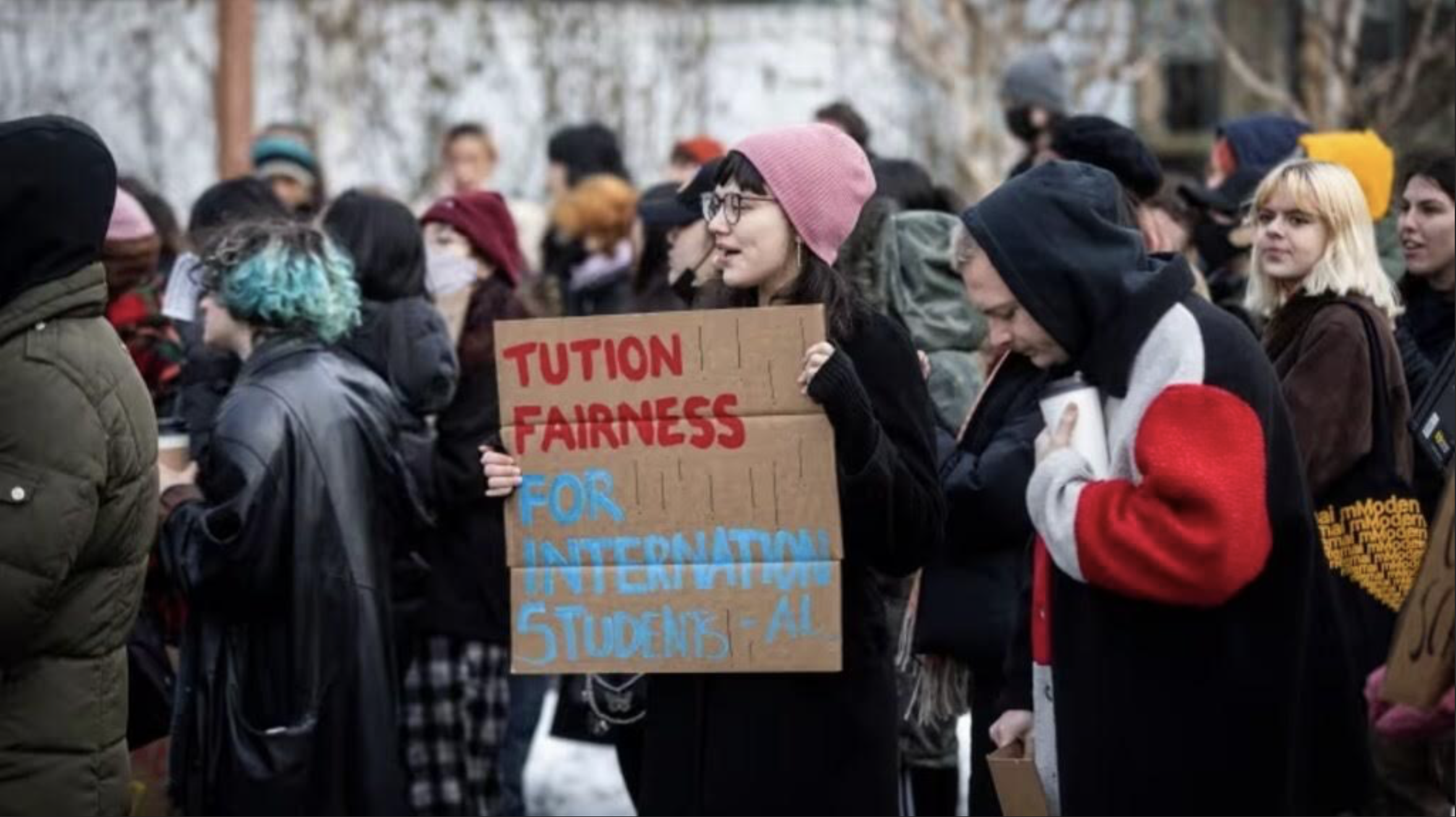
I have read so many stories over the last two years where a private college in Ontario, Quebec or British Columbia closed its doors and ripped off international students of hundreds of thousands of dollars. It has been happening for over a decade. Why do we continue to allow these shoddy colleges to do this? Where is the provincial oversight? If there is, why is it not able to help students?
The most recent such story appeared in The Vancouver Sun on December 21, 2025. It details how international students lost their tuition fees when Pacific Link College closed its doors.
On October 8, 2025, the provincial government revoked the Pacific Link College’s (PLC) certification to provide career-related course programs, thus shutting down the college. This was because an investigation found the College misled international students about its programs and work placements.
The College advertised itself as an institution that provides international students with opportunities for their “dream” jobs. It claimed that it intended to open offices in more than 100 countries by this year.
A college that does not provide appropriate education and ignores provincial regulations should indeed be shut down. However, the government also has a responsibility to help affected students and place them in other institutions. Students should not have to scramble to figure out alternative plans for their education.

Pacific Link College is not the first college to close its doors.
It is recognized by academics as well as policy makers that for-profit colleges offering credentials prey on immigrants and first-generation Canadians. International students expect that, by studying in Canada, they will be protected from the type of dishonesty and fraud that tends to be associated with private, for-profit companies selling education.
I discussed the issue with Balraj Kahlon, co-founder of student advocacy group One Voice Canada, an organization that advocates for international students. He says the core issue is that the government is giving educational licenses to those whose main objective is to make money and not necessarily providing education to students.
He suggested that the B.C. government should allocate its international student quota exclusively to public colleges and universities. Applications to private colleges should not be included, as they offer diplomas that do not lead to decent job opportunities.
With respect to the refund of tuition fees, Kahlon advised me that international students must be enrolled in a school while on their study visa. This means they cannot request a refund until they are accepted into another college. Most do not have enough to pay tuition fees to another institution without getting a refund from the previous college. If they wait too long to get admission in another institution, they pass the deadline to request a refund.

Kahlon says that One Voice has multiple cases of college administration ignoring students’ request for refund or intimidating students to avoid providing a refund.
Kahlon and One Voice Canada are recommending the kinds of changes to education made by Ontario.
According to the Ontario government, in 2026 publicly assisted colleges and universities will receive 96 per cent of the international student allocations, with the remaining 4 per cent going to Ontario’s language schools, private universities and other institutions.
One Voice Canada also recommends that private colleges’ dispute resolution process should be standardised, and it should be like the model at the Employment Standards Branch of the Ministry of Labour. There employees can file complaints regarding unpaid wages which are investigated and decided by Employment Standards Officers.
These seem like good suggestions to me.
Over the last few years international students have poured hundreds of millions of dollars into the provincial economy. It is important for the government to devote adequate resources to make the system fair for the students so that they will no longer be ripped off by unscrupulous private colleges.
Harinder Mahil is a human rights activist and is secretary of Dr. Hari Sharma Foundation.