



DESIBUZZCanada
Events Listings

Dummy Post
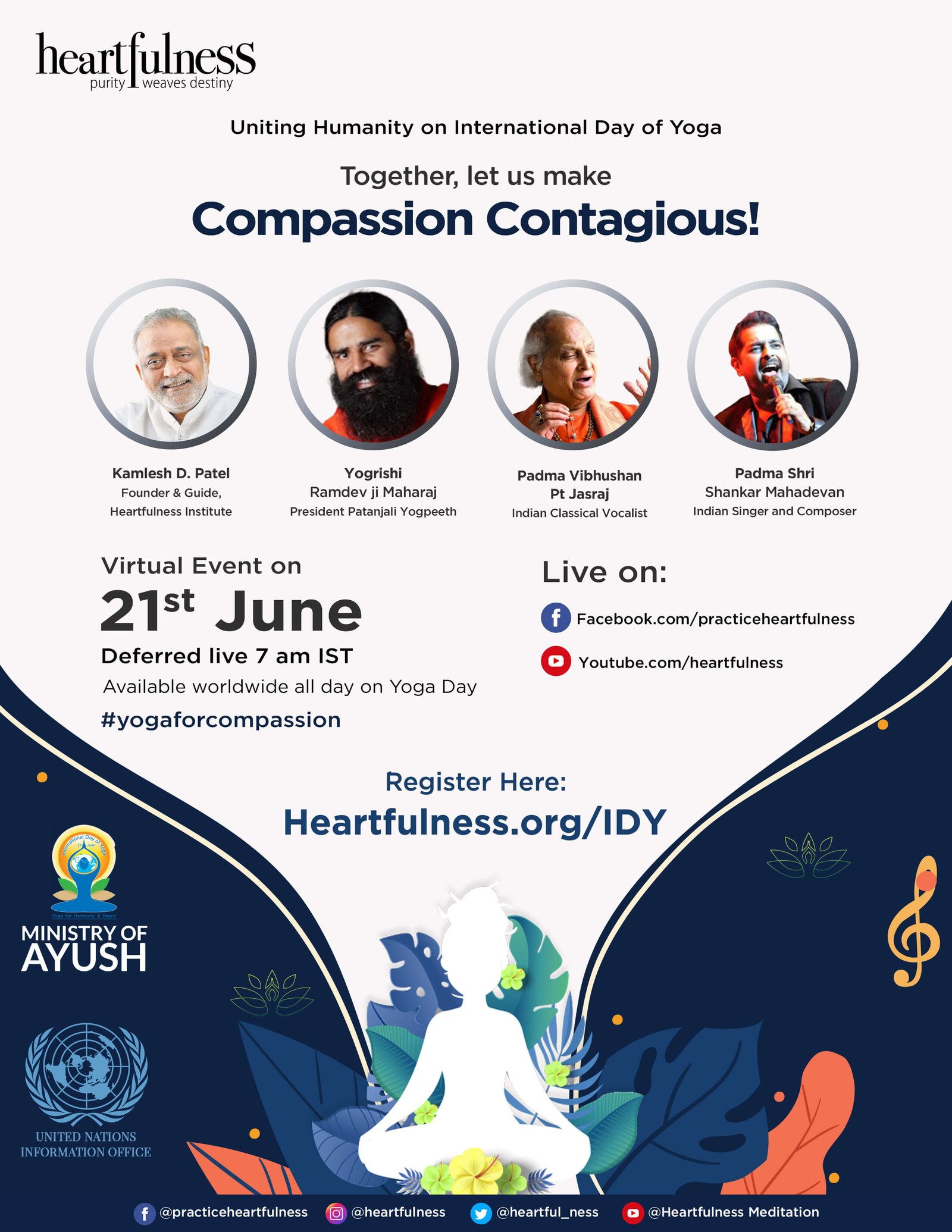
International Day Of Yoga To Be Virtually Celebrated Saturday At 4pm
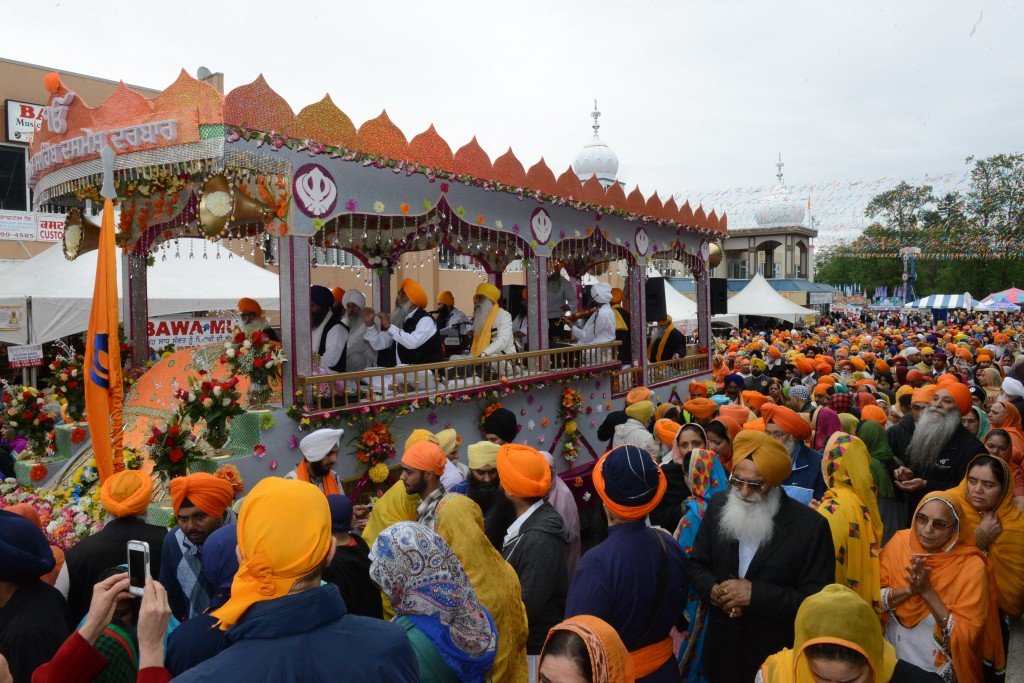
CANCELLED: Coronavirus Fears Kills Surrey’s Vaisakhi Day Parade

ADVERTISE WITH US: DESIBUZZCanada Is The Most Read South Asian Publication Online

SURREY LIBRARIES: Get Technology Help At Surrey Libraries
WALLY OPPAL: Surrey Police Transition Update On Feb. 26
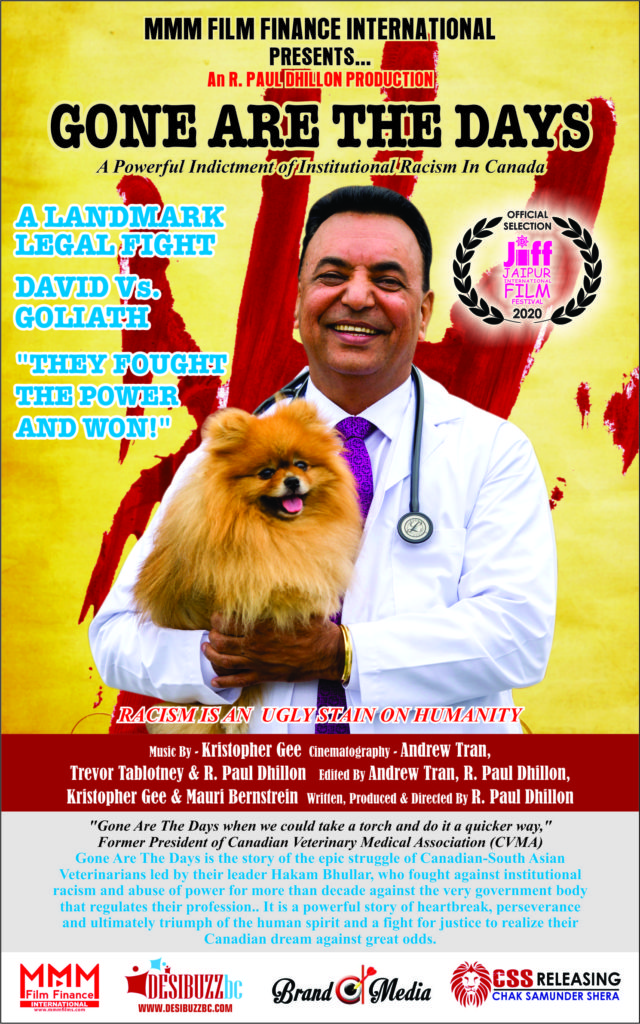
GONE ARE THE DAYS - Feature Documentary Trailer

Technology Help At Surrey Libraries

Birding Walks

Plea Poetry/short Story : Youth Contest

International Folk Dancing Drop-in Sessions
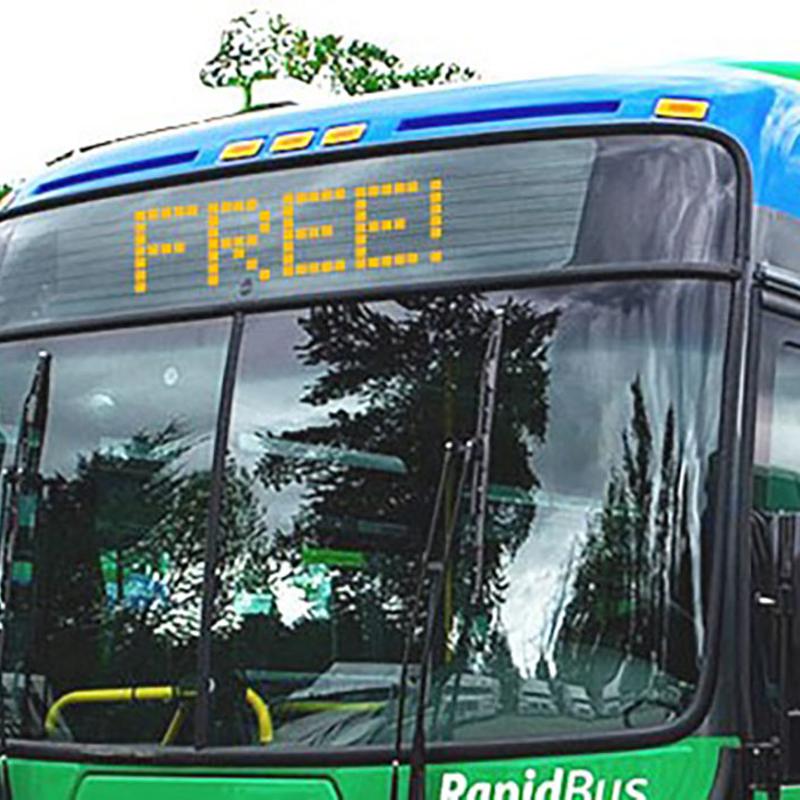
Time Has Come For BC Government To Offer Free Public Transit To All British Columbians
By Harinder Mahil
On New Year’s Day I had an opportunity to listen to a speech by New York Mayor Zohran Mamdani. During the speech he talked about his promise to people of New York to offer free buses in the city. He repeated the promise as he took the oath of office. Since then, I have been thinking about the possibility of free public transit in British Columbia.
If Mayor Mamdani can offer free buses to 8.5 million New Yorkers, why can't the BC government offer the same to British Columbians. I note that British Columbia’s population is much smaller than that of the City of New York.
Since Mamdani’s speech, I have learnt that Luxembourg is the first country in the world which offers free buses, trains and trams nationwide from 2020, benefitting residents as well as tourists. I note that Luxembourg is a small country with a population of about 682,000.
Kharkiv, the second largest city of Ukraine, with a population of 1.4 million, has been offering free public transport which includes buses, trams, trolleybuses and the metro. Although free transport has been offered since February 2022, the city government intends to maintain it even after the war ends as a form of social support.
Other major cities that offer free public transit are Belgrade in Serbia and Tallinn in Estonia. The population of Belgrade is around 1.4 million and that of Tallinn is about 460,000.
An internet search shows that several mid-size European cities have converted their public transportation networks to zero-fare. The city of Hasselt in Belgium is an example: fares were abolished in 1997 and by one account the ridership was up as much as 13 times by 2006.

In the state of Washington, 14 rural transit systems have adopted zero-fare policies, either permanently or through pilot programs in the 2020s. Fares for passengers aged 18 and younger have been free on most local and inter-city transit systems in the state since September 2022.
It is to be noted that the BC Green Party made a promise during the 2024 provincial election campaign to expand public transit, including “free public transit, provincewide.” It was criticized by other parties as being too expensive.
Some cities around the world offered free transport to their citizens during Covid. But they should not be seen merely as an option during hard times. Accessible public transportation is an important feature of sustainable 21st-century living. It generates a sense of social cohesion.
I note that the BC Bus Pass program already exists for low-income seniors as well as some people on disability assistance. If BC were to bring in free public transit, it can do so gradually over a number of years. The first step would be to bring in free transit for people under 18 and those over 65 years of age. At the second stage, the program can be expanded to those over the age of 60. The final stage can be to expand the program for everyone in British Columbia. There can be other variations to what I have suggested.
There will be numerous benefits of the free transit system. It would make mobility accessible to everyone, especially those on low-income, seniors and youth. It would allow people to spend money on other needs, boosting their well-being. It will add to social cohesion and democratize well-being.

Free public transportation will encourage people to leave cars at home reducing greenhouse gases and pollution. It will also help in reducing vehicle congestion in urban areas leading to cities becoming more sustainable. Also, by making transportation free, there will be no need to invest in a fare collection enforcement system saving significant funds.
Benefits of making transit free of charge far outweigh the cost of losing out on revenue from tickets. Transportation experts argue that eliminating the expense of transit fares would significantly relieve the financial burden that falls on low-income residents and this would reduce inequality. Furthermore, they state that free public transportation would essentially get more drivers off the road and public subsidy for road maintenance and construction is much greater than it is for mass transit so there is an added benefit for the economy.
I believe that free public transportation should be a basic right and is not much different than other services everyone pays into such as public health, schools, and libraries so this should not be exclusive to those who can afford it.
I hope that various levels of governments will seriously consider bringing in free public transportation for everyone in British Columbia.
Harinder Mahil is a human rights activist and is secretary of Dr. Hari Sharma Foundation.